|
Getting your Trinity Audio player ready...
|
I am fortunate in that there are about a dozen of us who have been buddies since we were in Kindergarten. When we were growing up, they would keep the kids in the same class across the years. That way, in every class, a group of friends had gone to the same classroom for up to twelve years in a row, from kindergarten until they graduated high school. This group became another family on top of the family you had in the first place, and in many ways, occupied your mind and activities more than your biological family.
Not everybody I have met can tell me they have a close group of friends like that. Or a group of friends that they have been friends with for more than just a few years. When my kids went to school, I was quite surprised to find out that they shuffle the kids each year so that no kids remain in the same classroom throughout their time in school. The proponents of this arrangement claim that the kids become more adaptable to change and end up making a wider group of friends. But there is no denying the fact that the close bond one would make with a group that you shared the classroom with all these years is not possible to make when you keep changing classmates.
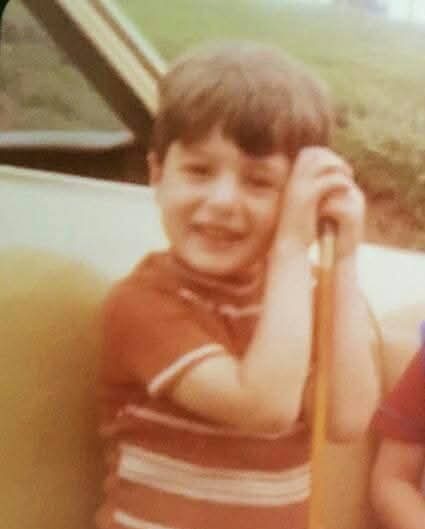
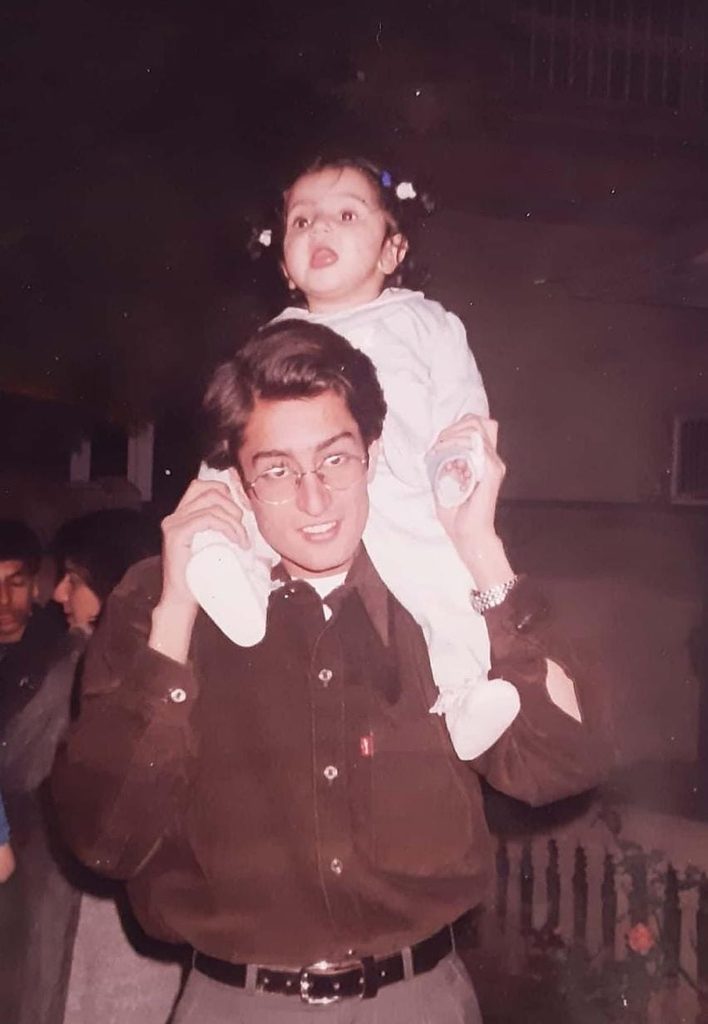
One of my friends from my earliest days of life is Asad. At that time, he was the kind of kid who stood out so much for being adorable that his becoming an instant center of attraction amongst a litter of kids was not unusual. But there was a problem. When he was born in the late 1970’s, the right side of his abdomen protruded outwards as if some organ was trying to push out of his body. The doctors told his parents that he had an enlarged liver. He used to turn yellow as a banana every few weeks, and the doctors had to give him medicine to treat the jaundice. His parents took him to several different pediatricians, but they were having difficulty making an accurate diagnosis. Since his episodes of jaundice would improve after a few days of medications and did not limit his growth, his parents, in a way, got used to it and thought that he would grow out of it like other diseases that some children grow out of.
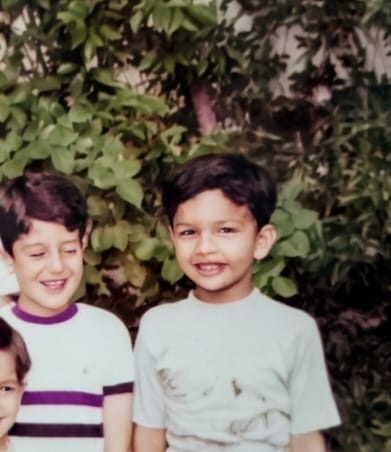
They were wrong, unfortunately. When he was in high school, he had another attack of jaundice, and this was accompanied by severe pain in the right side of the abdomen. They took him to the emergency room, and the doctors did some tests urgently and explained to them that he had developed swelling and infection of his gall bladder and he had to undergo emergent surgery.
The surgeon happened to be the father of another friend of ours, and Asad’s parents were reassured that he was in good hands. Before taking him to the operating room, he told them to expect the operation to be not more than a couple of hours, but it took them close to ten hours to finish the operation. The surgeon later explained that when they opened his abdomen, they saw a large cyst that was pushing upon multiple organs and, in doing so, causing obstruction in the bile ducts. He was able to remove the large cyst and, along with it, had to remove part of the intestine, too. Already exhausted from all the worrying and the praying while their son was being operated upon for so many hours, they sighed with relief that the operation was successful and hoped that this should be the end of his jaundice attacks that he had been going through since being born.
For a few months, he had to stay home to recover from the long operation. One morning, he woke up jaundiced yet again. They took him back to the doctors who had given up on any further diagnostic studies by then. A physician who had trained in England suggested that he be taken to London, where a hepatobiliary specialist could see him. Asad’s father was not poor, but he wasn’t extraordinarily wealthy either. He had a good position in a reputable bank, but other than his salary, he did not have other means, such as inherited assets, to rely on. But it was becoming a matter of life or death for his son. Somehow, he managed to gather enough money from his savings and some help from close friends and family, and they took him to London.
The doctors in London did additional tests and suggested that he probably had a stricture or a cyst in his bile ducts and offered another operation. He underwent this operation without difficulty and returned home only to find out a few weeks later that the bouts of jaundice kept recurring. They started having feelings of giving up by this point since nobody seemed to know the solution to the problem. Doctors suggested that he undergo a liver transplant, but this service was not available in Pakistan. They inquired about the costs in the United States and the United Kingdom only to find out that this was not even fathomable. The costs in China were relatively low but still far beyond the reach of a middle-class family from Pakistan.
The episodes of jaundice had now started becoming more complicated. Asad was now in his twenties. He started getting severe pain that would start from his upper abdomen and move to his upper back. He started to take pain medicine more frequently. Sometimes, the pain would be so severe that he had to go to the emergency room to receive intravenous pain medications. The frequency of the episodes intensified. This now became complicated by the swelling in his legs and in his abdomen. He was started on diuretics, and his shoes did not fit him anymore. He gained a lot of weight, which was all fluid weight, and his abdomen got swollen to the point that his usual clothes did not fit him anymore.
One day, as he was going through a similar painful episode when he was taken to the emergency room, he lost consciousness. The doctors did some tests and let the family know that his liver had now completely failed. They admitted him to the intensive care unit and started multiple infusions. After a few hours, the doctors started having end-of-life discussions and asked them to call any family members who were close to him to say their goodbyes.
While this was happening, Asad’s parents were told about a new doctor who had recently arrived to establish his practice after finishing his training in the United Kingdom. They made a frantic phone call to him, and he suggested the name of a doctor from India who was highly reputed as a successful liver transplant surgeon. He suggested that, as a last-ditch effort, Asad be taken to Chennai, India, to see if his life could be saved.
They quickly acquired all the information and got in touch with the hospital in Chennai. They were very good about guiding them through the whole process. They would search Asad’s family for a suitable donor and then take a part of the family member’s liver and transplant it into Asad. Asad’s father was not found to be a suitable donor because he had fatty liver. However, Asad’s brother, who was only a few years younger, was found to be a suitable donor. As much as Asad’s parents were hopeful, they had to go through the mental agony of the prospect of having not only one but two of their sons undergo major surgeries at the same time.
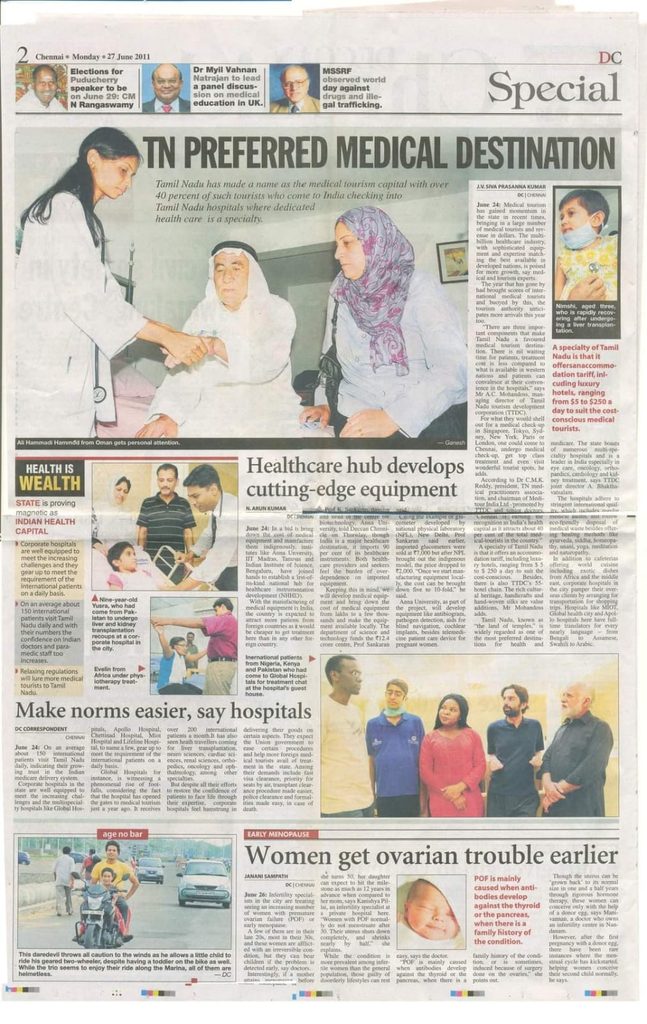
The cost that would be associated with the liver transplant in India was still very high. Asad’s father sold his car, and his mother sold all her jewelry. His officemates started a funding drive, and they generated enough funds to be able to afford the transplant. They rushed to the embassy and got visas to travel to India. When all the arrangements were made, Asad was transported straight from the hospital to the airport. He arrived in Chennai and was admitted to the hospital. They took 60% of his brother’s liver and transplanted it into Asad.
Asad spent four months hospitalized in India but started showing signs of recovery. His pain improved, and his swelling went away. They kept worrying that any day, he would wake up with another bout of jaundice, but fortunately, the attacks disappeared. He recovered to the point of being able to travel back home. He was started on medications to suppress his immune system so that his brother’s liver would not be rejected by his body.
Asad has been living without any complications of the transplant so far. He is happily married and has three beautiful children. He has a good job, enjoys life like any of us, and does not have to worry about getting sick every few months. A liver transplant from his brother brought him back to normal life from a state when the doctors had given up on him.
A quick internet search revealed that the country’s first successful liver transplant was performed in November 2003 at the Sindh Institute of Urology and Transplantation (SIUT) in Karachi, when a six-month-old infant with biliary atresia received part of his maternal uncle’s liver, with assistance from a surgical team from King’s College Hospital in London. However, this pioneering procedure did not immediately lead to the widespread availability of liver transplantation in the country. It was not until 2011–2012 that more sustained transplant programs began to emerge, including efforts at Shaikh Zayed Hospital in Lahore and Shifa International Hospital in Islamabad. For many years, Pakistani patients requiring a liver transplant had little choice but to travel abroad, provided they had the financial resources and connections to do so.
When I was growing up in Pakistan, organ donation was not something that I knew existed. No medical facilities would be competent enough to perform organ harvesting and donation. Yes, blood transfusions were very common, but there was a lack of blood banking facilities, so it was not uncommon for people to have to find compatible blood on their own. This was done by mass text messages and word of mouth. It was also a common site at busy intersections to see people holding placards asking for a specific type of blood group. Other than Asad’s story, I do not have any other transplant story among the people that I know.
The first time I gave a thought to organ donation was when I immigrated to America. After passing the driving test in a rental car in Dallas, Texas, I sat down to fill out the final form to obtain my license. At the end of the form, there was a line with a lengthy question asking whether I wanted to be added to the organ donation registry. Instead of the Yes and No options, the options were Yes and Skip This Question. I was in a hurry and wanted to quickly fill out the form so that I could submit it and go on with the rest of my day. I checked off Skip This Question and submitted the form. I could have forgotten about it because you can’t live your life chasing every dumb question on any form that you fill. But on the other hand, I am also not the type of person who likes to skip questions. I will tell you if I know the answer or not. I wouldn’t keep you hanging by skipping a question.
To be continued in the next blog post…
To read other stories, please browse through the blog or buy “The Hand from Behind the Curtain” now available as paperback on Amazon, e-book at Kindle, Nook and other platforms and as an audiobook at Spotify and Apple Books.